giovedì 10 settembre 2015

The Geographical Pivot of History in Mackinder’s earlier thought


In April 1904 Sir Halford John Mackinder, Reader in Geography in the University of Oxford and Director of the London School of Economics and Political Science, one of the fathers of geopolitics and geostrategy, published a valuable and original article in the Geographic Journal of the Royal Geographical Society, introducing the famous theory of the so called “geographical pivot of history”.
This theory, which would later profoundly influence the geographer’s further theory of the “Heartland”, consisted in a brief analysis over the world’s pivotal area and in how the supremacy over this broad landmass could influence the creation of a hegemonic world empire.
Mackinder begins his argumentation with a lengthy historical dissertation on the geographical discoveries that commenced in the XV-XVI centuries to show how they had affected on the political quest for world hegemony. At his time (1904) - Mackinder considers - the entire world has been completely discovered and conquered, and no land was left that could be owned because undiscovered. Even the inner regions of Asia were ending the long path for their discovery that had begun with Yermak the Cossack by land and Vasco da Gama by sea. Africa too had been almost wholly explored and partitioned by European colonialist powers. Indeed, the post-Columbian age managed to transform the world into a closed political system of worldwide scope, thus leading all international actors to confront each other: international relations could finally become organic and systemic. During the time the author writes, at the beginning of the twentieth century, a correlation linked together all larger geographical and historical generalizations. It was already possible to consider the world’s events as a whole in terms of geographic width: history and geography blend already. This is clearly unveiled when considering how strong and competitive the different geopolitical forces were in international politics. Within this perspective, the aim of Mackinder’s study was that of describing the physical features of the world that had been - and still were - most coercive of human action and presenting the chief phases of history as originally linked to them. This, in other words, meant nothing more than exhibiting human history as part of the life of the world organism, and we may certainly underline how intensively Ratzel’s geographical determinism echoes in this statement.                       
After debating the pros and cons of the alleged European superiority in the history of civilization, Mackinder states that the birth of nations is the result of the pressure of a common tribulation. In other words, using examples like the Hun invasion of Europe or the birth of France, the author believes that nations are wrought under a common need to resist against outer forces. At this point, Mackinder introduces one of the most brilliant ideas that his entire paper would explicate based upon a new interpretation of European history: Europe’s entire destiny and development - he says
 - rely on its relationships with Asia. In other terms, Europe and European history are subordinate to Asia and Asiatic history because European civilization is the outcome of the secular struggle against Asiatic invasions. This revolutionary - yet almost obvious - idea is one of the milestones on which Mackinder’s thought rests and is essential to understand all further implications of his theory.
Now, Europe presents a remarkable contrast that splits it up into two distinctive parts: Russia occupies half the continent, joining the European peninsula with the Asiatic landmass, and the Western powers the remaining territorial appendices. This partition shows a physical contrast between the unbroken lowland in the East and the land variety in the West, and some may consider the existence of a possible correlation between natural environment – its flatness or diversity – and political organization – more representative and centrifugal regime on one hand or more despotic and centripetal on the other. As far as Eastern Europe is concerned, a separation line exists that cuts Eastern Europe into two separated areas: the forest and marsh region in the north, from the Baltic region to the Urals, and the steppe region, from Western Ukraine to Western Turkestan. Beyond this line, while we move westwards, lays peninsular Europe, which commences including three distinguishing natural environments next to its eastern borders: the Hungarian great plain - or Puszta - ; the Carpathian Mountains; the German woods. The above-mentioned separation between forest/marsh and steppe regions slowly diminished during the XIX century because of Russian cultivations, but it had been formerly very coercive for humankind to inhabit.
The arrival in the European peninsula of the Turanian people (V-XVI centuries) - an historical phenomenon that started manifesting with the Hunnish invasion and continued with that of the Avars, Bulgars, Magyars, Khazars, Patzinaks, Cumans, Mongols and Kalmyks - gave birth to the secular struggle between nomadic Asians and settled Europeans. Through the vast gateway between the Urals and the Caspian Sea, thousands of these horsemen originally coming from Mongolia and Turkestan flooded into the fertile and rainy European lands, giving shape to the idea of a common European fellowship united against the Asiatic invaders. Indeed, these continuative nomadic invasions and raids influenced the birth of Western European nations, settling them in their current lands, creating a common European identity, and uniting the European kinsmen after centuries of brotherly struggles against each other. To give examples, the birth of France reflects the expulsion of the Huns from the lands of Gaul, and Austria - formerly Ostmark, or eastern frontier - was in fact a marchland founded by Charlemagne against the oriental invasions. Even the birth of Muscovy before and Russia later is a close consequence of the humbling Mongol yoke, in which Mackinder sees the reason of Russia’s lesser development compared to the rest of Europe and of its peculiar political despotism.
In the author’s words:

“For a thousand years a series of horse-riding peoples emerged from Asia through the broad interval between the Ural mountains and the Caspian Sea, rode through the open spaces of Southern Russia, and struck home into Hungary in the very heart of the European peninsula, shaping by the necessity of opposing them the history of each of the great peoples around – the Russians, the Germans, the French, the Italians, and the Byzantines Greeks”.  

Parallel to the mighty threat of the Asiatic horsemen, another rival mobility power emerged through the river ways and sea ways and waged war against Europe: that of the Vikings in the north and of the Saracens in the south. Whilst the nomadic Asians forced the European frontier in the east, the Norsemen and the Saracens began raiding the continent’s coasts and towns from all other directions – west, north, south. The European settled peoples, while laying gripped between these two pressures, tried to answer with a major cohesion and unity amongst them: both pressures turned to be stimulating, in a way or in another, leading some countries to unite, like France or England, and others to divide, like Italy. At this point Mackinder introduces also a brief note of racial anthropology, bringing back the existence of brachycephalic skulls in eastern and central Europe up into France as a direct consequence of the Asiatic invasions, in contrast with the majority of dolichocephalic skulls in the north, west and south. Nonetheless, the full meaning of the Asiatic influence upon Europe is understandable only after the Mongol invasions (XIII-XV century), indeed the most devastating of all.          
After considering the influence and relevance of the Asiatic nomadic invasions in moulding the European history, civilization and identity, Mackinder focuses on some of Eurasia’s main characteristics from a geographic, demographic and geopolitical point of view.
First, the author detects that the concentration of the world’s population can be found along the relatively small margins of the Eurasian continent, which are closely related to rainfalls: Europe, China and India. If we consider the Sahara desert as the natural, impenetrable, southern border of Europe, rather than the Mediterranean Sea, we can observe that Eurasia was severed for many centuries from central and southern Africa; at the same time, the oceans separated it from the Americas and the Australasian archipelago. This meant that Eurasia represented for many time a closed system focused on the interaction of the populations of its crowded but limited outskirts with the relatively underpopulated but huge inner core. Truly, the continuous landmass of Eurasia, excluding the deserted Sahara and Arabian Peninsula, represents half of all the land on the globe. The core of Eurasia, though mottled with desert patches - that from Syria reach Manchuria passing through Persia - is on the whole a steppe-land that supplies a wide-spread pasture, and there are not a few river-fed oases in it, but it is entirely unpenetrated by waterways from the ocean. In fact, this land is a perfectly appropriate area for the maintenance of sparse horse-riding nomads. Steppes spread continuously from the Hungarian Puszta until the Little Gobi of Manchuria and except in their westernmost extremity, they are untraversed by rivers draining to an accessible ocean. Moreover, each of the Eurasian steppes - whether the Magyar, the Ukrainian, the Turkestanian or the Mongol - present different sea-level locations and specific characteristics. Now, from each of these steppes, originating from the easternmost ones, different Mongolic hordes repeatedly stroke the peripheral rich regions of Eurasia, creating often some tributary or vassal states, if not some real dominating dynasties in Europe, the Middle East and China. Eventually, Russia, Persia, India - despite the natural Himalayan barrier - and China were rather made tributary or received Mongol dynasties. The Seljuk Turks, for instance, overthrowing the Saracen dominion of the Middle East from Baghdad and Damascus - and helping the beginning of the crusades and the unification of the Christian nations of Europe - could spread their power over the so-called “Five Seas”: the Caspian, the Black, the Mediterranean, the Red and the Persian.
Still, how can we conceive Eurasia and in which geographical terms can we describe it? Mackinder describes Eurasia as a continuous land, ice-girt in the north, water-girt elsewhere, with an extension of 21 millions square miles (three times North America), whose centre and north have no available waterways to the oceans but, except in the subarctic forest, are favourable to the mobility of horsemen and camelmen. Here, for the first time, the British geographer introduces some key words of his lifetime studies. To east, south and west of the Eurasian HEARTLAND are marginal regions, ranged in a vast CRESCENT accessible to shipmen: these rim regions that represent the Crescent are four, according to their physical conformation. (Each of them, curiously, embrace a different majoritarian religion or creed: Buddhism; Brahmanism; Islamism; Christianity). The macro regions are:

1)  The Indian Subcontinent;

2) Eastern China and Indochina;

3) The European Peninsula;

4) The Nearer East.

The first two are characterized by the monsoons, and may be considered monsoon lands; together with the third region, they host 2/3 of the world population. The fourth area, though thinly populated, includes the abovementioned “Five Seas” region, or the eastern Mediterranean Sea, the southern Black Sea, the southern Caspian Sea, the Red Sea and the Persian Gulf. Its geostrategic relevance lays on the fact that it partakes of the characteristics both of the marginal belt and of the central core of Eurasia; its weakness/strength descends from its sea-gulfs and oceanic rivers that lay it open to sea power influence and projection.
In considering the evolution of sea power and land power, it is historically detectable that the isthmus of Suez, before being severed, divided sea power into two parts: western (Mediterranean and Atlantic) and eastern (Indo-Pacific), without a continuity line. At the same time the wasteland of Persia, vertically extending from Central Asia to the Persian Gulf, separated, due to nomad-power, India and China from the Mediterranean world. Since the beginning of historical ages, for instance when the civilized ancient oases of Babylonia, Assyria and Egypt were weak, the steppe-peoples could threat the open tablelands of Persia and Asia Minor as forward posts whence to strike through the Punjab into India, through Syria into Egypt, through the Straits into the Balkans and Europe. The natural rival of horse mobility, typical of the Turanian peoples of inner Eurasia, is represented by the shipmen power of the Marginal Crescent dwellers: let us think, for instance, at the Saracens and their sea power - or, best to say, their blend of sea power and camel/horse land power -, that could forge a vast empire also thanks to their central strategic position between the western and eastern oceans and within the geographical Eurasian southern hub. Indeed the main difference between the Saracens and the Turk/Turanian people was that the former blended both sea power and land power whereas the latter possessed only land power.                          
Mackinder does not ignore of course the relevance of river-ways for the rise of civilizations. In fact, he states that the beginning of all greater civilizations relied on two main geographical elements: either the navigation of river-ways connected with the oceans (e.g. China/Yangtze; India/Ganges; Babylonia/Euphrates; Egypt/Nile), or the thalassic power given by navigation (e.g. the Greeks; the Romans; the Vikings; the Saracens).      
Advancing through the centuries until the age of oceanic discoveries, Mackinder believes that the main result of the doubling of the Cape of Good Hope and the prosecution towards the Eastern Indies was that of connecting the western and eastern coastal navigation around Eurasia. This primary event managed to neutralize the strategical advantage of the central position of the steppe-nomads by pressing upon them in the rear, thus delineating neatly the contraposition between LAND POWER and SEA POWER that will be the basis of all subsequent rivalry of powers for hegemony over Eurasia. Moreover, the discovery of the Americas, or Western Indies, reversed the relation of Europe and Asia: whereas in the Middle Ages Europe was caged between an inaccessible desert to south - the Sahara -, an unknown ocean to the west - the Atlantic -, and icy or woody wastes to north and northeast, and in the east and southeast threatened all the time by nomadic horsemen, now it emerged upon the world, wrapping its influence around the Eurasian land power which had always menaced its own existence. Before 1492, England and the British Isles were nothing more than the outmost outskirts of Eurasia, located at the end of the world; afterwards, they assume a central position, becoming in fact the very centre of the world, laying just in-between the oceanic connections of the Old world with the New. After 1492, as new lands and continents were being discovered, the Americas, Australasia, Trans-Saharan Africa and Japan became a ring of OUTER and INSULAR bases for sea power and trade inaccessible to the land power of central Eurasia.
However, during the Tudor age, while Western Europe began its expansion over the seas, at the same time Russian power started carrying from the principality of Muscovy a tireless expansion through Siberia thanks to Cossack explorers and settlers: such momentum would have imposed the Russian rule to the shores of the Pacific Ocean and Alaska within less than three centuries.
Somewhat Mackinder notices in the seaward western and the landward eastern expansion of Europe the prosecution of the ancient opposition between Romans and Greeks, exemplified in the political - and religious - separation into two parts of the Roman Empire. As Teutonic folks were overall civilized and Christianised by the Romans, so were the Slavic ones mostly by the Greeks. Being so things, the Romano-Teutonic European stock embarked upon the ocean enforcing sea power whilst the Greco-Slavic rode over the steppes, focusing on land power, and conquering the Turanian lands.   
It is true that during the XIX century the Russian railways had subjugated the Eurasian steppes, linking together and rationalising these vast landscapes. The Russian army in Manchuria, whose placement there was possible thanks to railway communications, looked like an evidence of mobile land power at the same extent than how the British army deployed in South Africa showed the evidence of mobile sea power. Thanks to the connection of the Eurasian core due to Russian railways Mackinder already foresaw and predicted the birth of a Eurasian specific economic area: the richness of the resources of the Russian Empire and Mongolia - Mackinder writes - is so big that the creation of a more or less apart economic world is inevitable and will be inaccessible to oceanic commerce, and therefore self-sufficient.


After this rather long premise, Mackinder finally introduces in his study the description of what he considers the so-called PIVOT REGION of the world, both in geographical and geopolitical terms:
The pivot region is that inner continental vast landlocked area of Eurasia inaccessible to ships. Though nowadays covered by railways, this area was once lay open to the horse-riding nomads. It is landlocked - or best to say seasonally landlocked - because the only waters that coast it are those of the northern icy sea adjacent to the Arctic Ocean. Let us then divide the world into five main parts according to Mackinder’s world representation:

1) Pivot area (or Heartland): it is wholly continental and includes the major part of Russia (especially central Russia and Siberia), the eastern part of Caucasia, most of Persia, the whole of Turkestan (from present-day Kazakhstan to the land of the Uyghurs in Chinese Xinjiang), Afghanistan and Mongolia.

2) Outer (or insular) crescent: it is wholly oceanic and includes the Americas, the British Isles, all of Sub-Saharan (or Black) Africa, the whole of Oceania including the Indonesian archipelago and Australasia, the Japanese Isles and Alaska.    

3) Inner crescent (or marginal crescent, or Rimland): it is partly continental and partly oceanic and includes all of Western  Europe, the majority of Eastern Europe, Ukraine, the western part of Caucasia, the Anatolian peninsula, the northern part of the Near East, the Persian coast, the entire Indian subcontinent, Tibet, northern, southern and eastern China (but not western), Indochina, Manchuria and the Kamchatka peninsula.                                                 

4) The Desert: it is inaccessible and includes the wastelands of the Sahara and of the Arabian Peninsula.  

5) The Icy Sea: it is inaccessible - at least during the winter - and coincides with the Arctic Ocean.

Given its position of main holder of the pivotal area, Mackinder considers Russia (the Russian empire of yore) the potential hegemonic empire of the world, though penalized for not blending land power with sea power. The author believes that just like the Mongol empire in the past, Russia had the power and the possibility to threaten and pressure all of its rims: Scandinavia, Eastern Europe, Turkey, Persia, India and China. Considering the world at large, the Russian tsardom occupied the central strategic position, the same that the German kaiserdom held in relation to Europe. Due to its position Russia could struck on all sides and be struck from all sides, save the north.
Now, the main concern that Mackinder wants to raise is the following: what if the state that controls the pivotal area, Russia, would expand over the marginal lands of Eurasia, in other words into the inner crescent/Rimland?  If Russia would add its continental resources with the possibility to use them for fleet edification and sea power building then the ultimate world empire would be born. In other words, and this is the main point of Mackinder’s lesson, if the Heartland (pivotal area) unites together with the Rimland (inner crescent) under the rule of the same power this would lead to the birth of a hegemonic incontestable world empire.
Concretely speaking, and remembering that Mackinder speaks as an Englishman for the interests of his own nation, if in 1904 Germany would have allied with Russia the pivotal area and the inner crescent would have significantly joined together, and this could have led France to ally with over-sea powers that belonged to the outer crescent (Great Britain, the United States, Japan, etc.). Within the frame of a potential German-Russian entente countries like France, Italy, Egypt, India, Korea would become bridge heads in which the two block of powers (continental pivotal powers and oceanic marginal powers) would compete and interact, even in terms of warfare. In such a scenario, the strategic role of India appeared even more important for Great Britain: indeed the British military front stretched from the Cape of Good Hope through India to Japan. Things could become even worse if South America was to join Germany instead of the US in a hypothetical world war: an outer-outer crescent would now encircle the outer crescent. The Nearer, Middle and Far East questions - Mackinder reports - were all related to the unstable equilibrium of inner and outer powers in those areas of the marginal crescent where local power is weak.
At conclusion of his study, Mackinder underlines that the pivotal region will always be strategic, no matter which power would control it. Was it to be controlled by China, for instance, China would become a real threat to the world by fusing together the ocean frontage with the exploitation of the inner resources of the vast Eurasian continent: what Russia could not yet do.       


References:


H. J. Mackinder, the Geographical Pivot of History, the Geographical Journal, Vol. 23, No. 4 (Apr., 1904), pp. 421-437.

sabato 30 maggio 2015

The battle of Agincourt and the decline of cavalry as a tool of Western warfare


On the 25th of October 1415, during the Hundred Years War (1337-1453) that saw the English and the French contending their supremacy over France, the English army led by King Henry V heavily defeated the French army of King Charles VI. Although less numerous, the English army obtained a decisive victory thanks to its superior discipline and, above all, the wise use of bowmen. For the French noblemen, decidedly lacking of discipline and of a well-defined strategic plan, the battle evolved into a bloody mass slaughter, despite the bravery of the feudal cavalry’s charge. Victory allowed Henry V to gain control over most of the French territory, contended by the rival factions of the Armagnacs and Burgundians. In military history, the victory represents the ultimate decline of the heavy cavalry in favour of the infantrymen equipped with throwing weapons. In fact, the synchronized use of the English longbows and their tactical and precise rate of fire had introduced the idea of using nimble shooting troops rather than slow and clumsy knights. This battle, also because of the use of gunpowder, represented one of the first combats of Modern Age and the embryonic model for future armies composed of infantrymen with firearms and artillery.
The battle of Agincourt, a clear example of the victory of foot-archers over the feudal heavy cavalry, had several phases. It all began with a period of stalemate and waiting that ended up with the English advance. Suddenly, the Englishmen shot several heavy loads of arrows with their longbows. Consequently, the foe’s cavalry, made of French nobles, decided to charge against the enemy, and at the same time both infantries started to engage the melee. After, the English bowmen too began to intervene in the scuffle, impelling the French to refold. After another stalemate, often paused by some occasional new shot of arrow loads, the Frenchmen tried to carry forward a raid on the English wagons and supplies, without any success. Finally, all the French prisoners were slaughtered – even those that could be ransomed – and both armies moved away from the battlefield.
Henry V used to deploy the army in three flanks before the start of each battle, but in Agincourt, instead of dividing the army into three parts, he decided to organize his army linearly. Every three infantry divisions were protected laterally on both sides by two large contingents of archers, because about 2/3 of the British army was made up of very strong English archers with their formidable longbow. A strategy that proved decisive was the ingenious idea to set into the ground some wooden poles about 2 metres long, to curb the attacks of the powerful French cavalry. The French army had instead adopted the classic three-line deployment: one in the vanguard, one in the centre and another in the rear. The two sides came face to face already at eight o’clock in the morning but only after two hours did Henry decide to start the battle against the still French army. Once the two sides were closer one another, the British hurled the French army with a hail of arrows: the French found themselves surrounded by a huge amount of bolts that covered the sky of the plain of Agincourt while their army was suffering heavy losses in dead and wounded. At this point, the cavalry began to assault the English with several frontal charges though being under the arrow fire of the English bowmen that had adopted by now a formation in the shape of a wedge. As well as by the arrows, the cavalry was being slowed also by the mud and by the English palisades. Soon the cavalry was on the run and forced to retreat, as happened to the infantry that was blocked first by the archers and then charged by other 1000 English infantrymen. After the cavalry had fled, the wings of the French army became unprotected, and the English archers started weakening also the French infantry. When the ammunitions had ended, the archers left their bows and joined the hand-by-hand melee against the enemy. The battle seemed to be at an end but suddenly, while the English were busy killing prisoners, a new small contingent of French cavalry, reorganized after the rout, attacked the English rear-guard occupied in the massacre of prisoners: however, the French attack failed again. After this episode, the battle was finally over ending with Henry V’s complete triumph: the French had lost around 15.000 men, including a significant part of the noblesse. With the end of the battle, Henry V was recognized as heir to the throne of France, placing a truce in the Hundred Years War.
The battle of Agincourt (October 1415)
Let us know introduce some military considerations of the battle.
The English longbows had a maximum range of 270 metres, although 200 metres was the optimum one (200 metres = 218 yards). All arrows were one metre long. The English bowmen used the tossing of arrow loads as a tool to oblige the French cavalry to charge against their army, preventing them to stand still. The wisdom and skill of the archers was so great that they could easily hit the enemy’s vulnerable parts of the armour from a long distance, also whilst the enemy was moving. The English mastered the art of archery, knowing well that an arrow that is shot horizontally has an inferior range but a clearly stronger impact, whereas an arrow that is tossed diagonally at different angulations producing a parable has a wider range but is weaker and less accurate in the impact. Accordingly, the English could steadily understand how to toss the arrows, if deciding to make a vertical or diagonal shot or a horizontal and frontal one. In the case of a vertical or diagonal toss, it is the force of gravity to play the major role, and instead in the horizontal one it is the immediate impact power. On the other hand, the French knights were extremely heavy and slow. Each one of them wore an armour that weighed around 30-35 kilograms, and adding it to the warriors’ weight, the poor horse had to bear on its back an average weight of 130 kilograms (average 75 kg of the knight; 35 kg of the knight’s armour; 20 kg of the horse’s saddlecloth and carapace).     
Under the continual and methodical arrow fire, the French knights decided to charge straightaway the English archery lines, ending up bumping into the hidden palisades that the English built specifically for the foreseen cavalry charge. The route that the cavalry had to tread was of 270 metres. During the first 220 metres, the knights’ horses went to step; then suddenly they gradually started galloping, crossing the last 50 metres at an average speed of 20-24 kilometres per hour. Once the enemy was reached, the cavalry suddenly slowed down and did not dash into the enemy’s lines, preferring to roll away. This is not surprising if we think that, unlike what modern movies often show to us, the majority of cavalry charges do not aim at overwhelming the infantry line, especially if solid and compact, but at scaring the enemy’s infantrymen arousing panic and discouragement among the ranks. At the same time, the archers did not passively wait the cavalry to sweep them away, but decided to take shelter. Now, it is true that the archers had failed to deviate or even stop the cavalry charge through their arrow firing, but likewise the cavalry failed to unhinge the enemy’s ranks and to compel them to flee.   

 
English longbowmen


References:

J. Keegan, The Face of Battle.             


sabato 23 maggio 2015

Gli elementi fondamentali del sistema commerciale multilaterale contemporaneo: vantaggi e svantaggi


L’attuale coordinamento commerciale internazionale trova il suo principale impulso in un’organizzazione economica internazionale che, in quasi vent’anni di attività, ha, pur con fasi alterne, contribuito in maniera significativa a stimolare la liberalizzazione commerciale tra Stati, ossia l’Organizzazione Mondiale del Commercio (in inglese World Trade Organization). Perfezionando il sistema commerciale multilaterale introdotto dal GATT (General Agreement on Tariffs and Trade), che si trattava di un mero accordo intergovernativo, l’istituzionalizzazione dell’OMC ha rappresentato un punto di svolta nell’ambito delle relazioni economiche internazionali. Ciononostante, il sorgere negli ultimi anni di nuove economie di Paesi emergenti e il consolidarsi di una contrapposizione tra Paesi avanzati e Paesi in via di sviluppo potrebbe condurre ad una modificazione della struttura e dei fini dell’OMC affinché la stessa Organizzazione riesca ad affrontare con efficienza le nuove sfide economiche che scenari futuri, ma non lontani, potrebbero far comparire. Tale modifica dovrebbe inserirsi in un contesto più ampio di riforma generalizzata delle principali istituzioni economiche internazionali e collocarsi in un sistema coerente e coordinato di Global governance.
La storia del coordinamento commerciale internazionale contemporaneo si intreccia con la fine della Seconda guerra mondiale e con l’introduzione del cosiddetto sistema di Bretton Woods. In questo senso, nel 1947 venne approvato da ventitré Paesi a Ginevra il GATT, un accordo che aveva il compito di stimolare il commercio internazionale attraverso una riduzione dei dazi e delle tariffe doganali e attraverso delle liberalizzazioni in alcuni settori economici specifici. Nel 1995 tale accordo intergovernativo fu sostituito da un’organizzazione economica internazionale vera e propria, l’OMC, che conta attualmente più di 150 Paesi membri. Gli obiettivi che si pose l’OMC erano quelli di stimolare i negoziati commerciali tra Paesi, promuovere un sistema di regole comune condivise, regolamentare le dispute commerciali, offrire un’assistenza tecnica ai Paesi in via di sviluppo, coordinarsi con le altre istituzioni economiche internazionali. Per adempiere ai suoi scopi l’OMC proibì i sussidi alle esportazioni (eccetto che sui prodotti agricoli), i contingenti alle importazioni (eccetto i casi in cui minacciavano la produzione interna), l’imposizione di dazi (che, se introdotti, dovevano essere ridotte le quote di altri dazi). L’OMC fu istituito sulla base di alcuni principi commerciali internazionali tra cui la clausola della “nazione più favorita” per tutti i Paesi membri dell’istituzione, la parità di trattamento per i beni di produzione estera e nazionale, la promozione della stabilità dei prezzi dei beni e servizi e scambiati e in generale la progressiva liberalizzazione commerciale.   
Dal 1947 al 1994, nel corso della sua attività, il sistema commerciale multilaterale basato sul GATT aveva già di per sé contribuito a ridurre i dazi mondiali dal 48% al 5% attraverso otto principali negoziati. Con la costituzione dell’OMC si sono tenuti nuovi negoziati multilaterali a Singapore (1996), Ginevra (1998), Seattle (1999), Doha (2001), Cancún (2003), Hong Kong (2005), Ginevra (2009). Per comprendere la portata dei successi e degli insuccessi dell’OMC può essere opportuno soffermarsi su almeno tre dei citati “Round”.
Innanzitutto, la Conferenza di Doha (2001) ha ottenuto l’importante risultato di riavviare i negoziati commerciali multilaterali che di fatto si erano bloccati alla Conferenza di Seattle nel 1999. In quest’occasione furono comunque prese decisioni discutibili quali quella di conservare il principio del single undertaking secondo cui è previsto che le diverse trattative vengano infine approvate in un unico accordo generale. In quella sede, poi, l’Unione Europea decise di impegnarsi ad eliminare i sussidi alle esportazioni e i Paesi in via di sviluppo rimasero alquanto marginalizzati nel corso delle trattative. Il Doha Round si concluse senza raggiungere un accordo comune e a tutti gli effetti il negoziato non è ancora concluso. Esso non riuscì a trovare soluzioni comuni nelle trattative, e si rivelò una sorta di delusione.
La successiva Conferenza di Cancún del 2003 tentò di superare la situazione di stallo conseguente al fallimento del Doha Round. Qui gli obiettivi che i partecipanti si proponevano erano di eliminare i sussidi alle esportazioni sui prodotti agricoli, stimolare il commercio del marcato dei manufatti, attuare i cosiddetti “Temi di Singapore” (ossia stimolare gli Investimenti Diretti Esteri, adottare un’equa politica di concorrenza, incentivare la trasparenza degli appalti pubblici, ecc.), eliminare i sussidi sul cotone, e così via. Come già avvenuto a Doha, però, anche l’agenda di sviluppo di Cancún fallì. Le ragioni furono varie, fra cui l’assenza di un preaccordo tra l’Unione Europea e gli Stati Uniti d’America, l’obsoleto meccanismo di funzionamento dell’OMC, l’impegno dell’UE di soffermarsi solo sui “Temi di Singapore” e di sorvolare la questione della Politica Agricola Comune (PAC), la debolezza della rappresentanza degli USA, l’intransigenza dei Paesi in via di sviluppo per porre fine ai sussidi agricoli e a quelli sul cotone.
La tappa successiva fu la conferenza di Hong Kong (2005), che si poneva come obiettivi di eliminare entro il 2013 i sussidi all’agricoltura, di trovare un accordo sul cotone, di trovare un accordo per il libero accesso dei prodotti dei Paesi in via di sviluppo nei mercati mondiali, di concludere un accordo sulle modalità del negoziato agricolo. Anche i negoziati di Hong Kong, tuttavia, furono sospesi e di conseguenza i temi di sviluppo sollevati sin dai tempi di Doha sono, invero, ancora sul tavolo delle trattative.                         
Stati membri dell'OMC
Gli insufficienti obiettivi raggiunti nelle conferenze multilaterali dell’OMC degli ultimi anni e la situazione di stallo dei negoziati hanno contribuito a considerare come auspicabili delle proposte di riforma dell’Organizzazione. Innanzitutto è stato proposto di modificarne la struttura istituzionale, ponendo fine alla partica del consensus a favore del voto di maggioranza, introducendo meccanismi di ponderazione, costituendo un organo esecutivo ristretto, interrompendo la prassi dei cicli periodici di negoziati. Dal punto di vista della trasparenza, invece, si richiede un più ampio accesso e divulgazione dei documenti. È stata anche criticata la prassi del single undertaking (sconosciuta al precedente GATT), ritenendo più opportuno esprimere il favore su singole tematiche anziché sull’intero pacchetto negoziale. Per quanto attiene il sistema di soluzione delle dispute commerciali, i ricorsi sono stati considerati troppo numerosi e si è considerato opportuno rafforzare procedure quali i buoni uffici, la mediazione, la conciliazione. Altra critica verte sull’idea che non vi sia un’adeguata partecipazione nell’Organizzazione né delle ONG né di altri attori della società civile. Infine, il ruolo dei PVS è stato considerato fin troppo marginale rispetto al loro crescente peso economico.
Un discorso a parte merita un particolare processo economico che potrebbe in qualche modo ridurre l’importanza dell’OMC, ossia il regionalismo. Con il termine “regionalismo” ci si riferisce a quel meccanismo di integrazione economica su base regionale che può assumere varie forme a seconda dell’intensità dell’integrazione stessa (ossia dall’area di libero scambio fino all’unione economica e monetaria). Da più parti ci si domanda se il regionalismo possa favorire la riduzione tariffaria internazionale e stimolare la crescita degli scambi commerciali o se non si tratti piuttosto di una barriera posta da una macro-area economica a detrimento degli altri attori economici globali. In questo senso occorrerà vedere se il regionalismo avrà il potere di sostituirsi all’OMC o se riuscirà a convivere con essa.
In conclusione, il sistema commerciale multilaterale dell’OMC presenta diversi vantaggi e svantaggi. Tra i vantaggi è possibile citare la costante ricerca di soluzioni volte a stimolare il commercio internazionale e, di conseguenza, volte a produrre un reddito aggregato globale maggiore e una più ottimale allocazione di beni e servizi. Tra gli svantaggi sono già stati citati tutti gli inconvenienti che indurrebbero ad optare per una riforma strutturale dell’Organizzazione. Ciononostante, sarebbe insufficiente ritenere che una riforma organica dell’OMC possa da sola affrontare i possibili scenari futuri che un mondo globalizzato e dai rapporti di forza economica mutati rappresenta. In questo senso, non solo l’OMC ma anche tutte le altre principali istituzioni economiche internazionali andrebbero riconsiderate e rimoderniate, a cominciare dal Fondo Monetario Internazionale e dalla Banca Mondiale. Tale ampia riforma non potrebbe che essere avviata da una leadership globale volenterosa che, attraverso un approccio olistico ed innovativo, si facesse promotrice dell’auspicata “Global governance”.


Riferimenti bibliografici:

P. Montalbano – U. Triulzi, “La Politica economica internazionale”.


G. De Arcangelis, “Economia internazionale”.           

venerdì 15 maggio 2015

L’arte della guerra secondo Clausewitz. Un breve resoconto. Parte III


Secondo quanto afferma Clausewitz, è la fanteria a costituire la principale forza in battaglia, laddove cavalleria ed artiglieria, invero, svolgono un ruolo secondario e di ausilio. Inoltre, sarebbe preferibile un esercito costituito da soli fanti anziché uno misto con rappresentanti di tutte e tre le armi. In ogni caso, dovendo scegliere, è comunque meglio rinunciare alla cavalleria piuttosto che all’artiglieria in quanto quest’ultima è più idonea ad essere dispiegata con la fanteria. Nel caso in cui si voglia fare uso dell’artiglieria, la principale responsabilità di un comandante consiste nel proteggerla soprattutto dalla cavalleria. In quanto alla cavalleria, è noto che essa si divide in due grandi gruppi: la cavalleria pesante, tradizionalmente da urto, e la cavalleria leggera, utilizzata per esplorazione, avanguardia, logoramento, scaramucce, copertura di truppe in ripiegamento e, soprattutto, inseguite.
Soffermandosi sul concetto di difesa, il generale prussiano afferma che il concetto e fine ultimo della difesa stessa consiste nel respingere un attacco. Ne deriva che un’azione difensiva rappresenta un’azione che attende e contrasta un attacco. Il combattimento è difensivo quando appunto si attende l’assalto nemico; al contempo, la battaglia è di natura difensiva se, da un punto squisitamente tattico, si attende entro il raggio del proprio fuoco – ossia, entro la gittata del proprio campo di tiro – il nemico; infine, la campagna militare è difensiva quando il nemico ha invaso il proprio teatro di guerra. Ad una difesa ben riuscita segue un contrattacco, proprio come ad un’offensiva si risponde con una controffensiva. Come è noto, la difesa ha lo scopo di conservare, mentre l’attacco quello di conquistare: ne deriva che, generalmente parlando, la difesa è più facile da gestire dell’attacco. Ogni omissione dell’attaccante, poi, risulta un vantaggio del difensore. Una vittoriosa difesa rappresenta il trampolino di lancio per un successivo contrattacco efficace. Esistono sei elementi favorevoli per i difensori, tre di natura tattica e tre strategica: gli elementi tattici sono:

- Sorpresa: L’elemento sorpresa è efficace quando si dislocano in un punto determinato dello schieramento più truppe di quanto il nemico si sarebbe aspettato (è però un principio valido anche per l’attaccante).

- Vantaggio dell’ambiente: Il difensore conosce il suo Paese, dunque può ostacolare l’attaccante portandolo su terreni impervi o sfavorevoli.

- Attacco multidirezionale: Il difensore può avvalersi, conoscendo la posizione dell’invasore, di aggiramenti tattici grandi e piccoli e di manovre avvolgenti la cui efficacia si basa sull’effetto raddoppiato del fuoco e sul timore che il reparto accerchiato venga tagliato fuori dal suo esercito, dalle vie di fuga e dalle linee di rifornimento e comunicazione. La stessa simulazione di una ritirata dinnanzi alla forza attaccante può, con un movimento aggirante della ali dell’esercito, trasformarsi in una manovra accerchiante che riporta automaticamente il difensore in una situazione di vantaggio rispetto al nemico (si pensi alla celebre battaglia di Canne, 216 a.C.).


Esempio di manovra a tenaglia
attuata dai cartaginesi contro i romani
durante la battaglia di Canne, 216 a. C.


Tra gli elementi strategici invece si segnalano:

- Rafforzamento del territorio: Il difensore può rafforzare le fortezze del suo territorio, requisendo tutti i beni che si producono nelle campagne e stabilendosi al sicuro in qualche guarnigione particolarmente invulnerabile precludendo così alò nemico da un lato la possibilità di rifornirsi e vettovagliarsi e dall’altro di ingaggiare battaglia in campo aperto: al nemico non resteranno che due opzioni: assediare le fortezze e le guarnigioni (e i tempi, si sa, sono spesso lunghissimi) oppure abbandonare il Paese.  

- Appoggio della popolazione: La popolazione civile può appoggiare l’esercito impedendo l’avanzata nemica con operazioni di sabotaggio, guerriglia, distruzione dei raccolti, ecc. Quanto più il popolo è compatto tanto maggiore sarà la coesione e l’ostilità nel voler cacciare il nemico; al contrario, eventuali divisioni interne non potranno che essere un vantaggio per l’attaccante, che le sfrutterà in modo a lui più utile.

- Sfruttamento del fattore morale: All’opinione pubblica esterna una guerra d’aggressione sembrerà sempre un sopruso ed un’azione turpe, dunque il difensore avrà sempre l’appoggio, almeno morale, delle Potenze che condannano apertamente l’aggressione armata come strumento per dirimere le controversie internazionali. In altre parole, un attaccato tende sempre a passare dalla parte del giusto e l’attaccante da quella del torto secondo la comune morale umana. Per quanto riguarda poi l’opinione pubblica interna, i governanti non dovranno fare altro che additare gli invasori come un esempio di “banditi, tiranni, despoti, immorali, blasfemi, ecc.” e tanto basterà a farli credere davvero tali anche agli occhi dei più semplici popolani.

Considerando invece l’attacco, Clausewitz sottolinea come esso non possa essere condotto con continuità costante in quanto richiede intrinsecamente riposo e momenti di stasi, trasformandosi quindi improvvisamente in una forma di difesa. Attacco e difesa sono quindi due elementi costantemente presenti nell’attacco stesso: la trasformazione dell’attacco in pausa difensiva costituisce un male necessario, non desiderato, dettato da elementi di forza maggiore quali appunto l’esaurimento delle energie della truppa, il mancato sfondamento del fronte del nemico, ecc. In pratica è possibile affermare che ogni attacco finisce in una difesa. In genere, l’attacco si conclude sconfiggendo l’esercito nemico sul terreno di battaglia, e meno frequentemente in virtù della conquista di una fortificazione. Da un punto di vista energetico, cinetico e fisico è possibile considerare l’attacco come una tipologia di forza decrescente.
Per quanto riguarda la vittoria, gli elementi che la caratterizzano sono:

- Cambiamenti di legami politico-diplomatici: Una regola vuole che se uno Stato grande viene sconfitto, i suoi alleati minori e satelliti tendono ad abbandonarlo, mentre invece se ad essere sconfitto è uno Stato piccolo, gli Stati grandi o medio-grandi che vi confinano o sono legati a lui da qualche vincolo tendono a venirgli in soccorso (e ciò avviene tanto più se lo Stato piccolo costituiva una sora di cuscinetto geopolitico). Per quanta riguarda poi la genesi delle coalizioni, in generale uno Stato entra in una coalizione se da essa può trarre dei vantaggi e tornaconti, di natura territoriale o materiale, altrimenti tende naturalmente a prescegliere di coalizzarsi con il maggior offerente o di restare neutrale.

- Resistenza crescente del nemico: La resistenza del nemico, tanto fisica che psicologica, può condurre più rapidamente o più lentamente al ribaltamento delle sorti del conflitto e quindi, a valere per l’attaccante, ad auspicare che si trasformi in una propria vittoria.

- Conclusione bilaterale della pace: Dal momento che la guerra costituisce una tensione ostile di uno Stato contro un altro possiamo affermare che essa termini solo quando tale tensioni cessi. Ciò potrà avvenire solamente in virtù di un trattato di pace, che segue un armistizio, cui entrambe le parti in lotta riconoscono la volontà di trovare, mediante esso, le condizioni per poter ripristinare lo stato di pace e concludere lo stato di guerra.

Vi possono essere due grandi tipologie di vittorie:

- Vittoria parziale: Prevede nel caso dell’attacco almeno la conquista di qualche parte del territorio nemico e/o annessione, e nel caso della difesa la conservazione del proprio territorio come intatto.   

- Vittoria totale: Prevede l’abbattimento totale del nemico attraverso la distruzione del suo esercito, la conquista della Capitale (sede del Governo, dei corpi politici, dei partiti, ecc.) e un eventuale colpo risolutivo contro il suo alleato affinché decida di uscire dalla coalizione, cessare di difendere l’alleato invaso e concludere una pace separata.

In ogni caso, un territorio nemico annesso od occupato potrà sempre essere utile o per mantenerlo –soprattutto se ricco – o per scambiarlo con altri vantaggi.


Reparto di ussari prussiani "Teste di morto" o
Totenkopfhusaren, 1808 circa

Concludiamo questo breve resoconto sul testo di arte militare del grande prussiano elencando quali sono i punti che Clausewitz considerava dovesse possedere un ben organizzato piano di guerra:

- Agire concentrati sul punto focale dell’avversario.

- Agire rapidamente, senza interruzioni e deviazioni.

- Colpire il cuore, e non le ali, dell’esercito avversario.

- Cercare sempre l’annientamento della forza armata nemica e la sua dispersione.

- Se attaccati dalla forza armata nemica principale e superiore, accettare il più possibile l’attacco evitando deviazioni per non esporre i propri fianchi.

- Ottenuta la vittoria, concentrarsi solamente sull’inseguimento del nemico in ripiegamento o rotta: va ora annientato tutto ciò che può agevolare il nemico nella fuga e si deve sfruttare fino in fondo il successo della vittoria (ad esempio debellando le forze armate del nemico ancora esistenti, occupando la Capitale e la sede del Governo, liquidando le questioni con gli eserciti alleati del nemico, disarmando le piazzeforti, ecc.)


Riferimenti bibliografici:


C. von Clausewitz, Della Guerra.


giovedì 2 aprile 2015

L’arte della guerra secondo Clausewitz. Un breve resoconto. Parte II


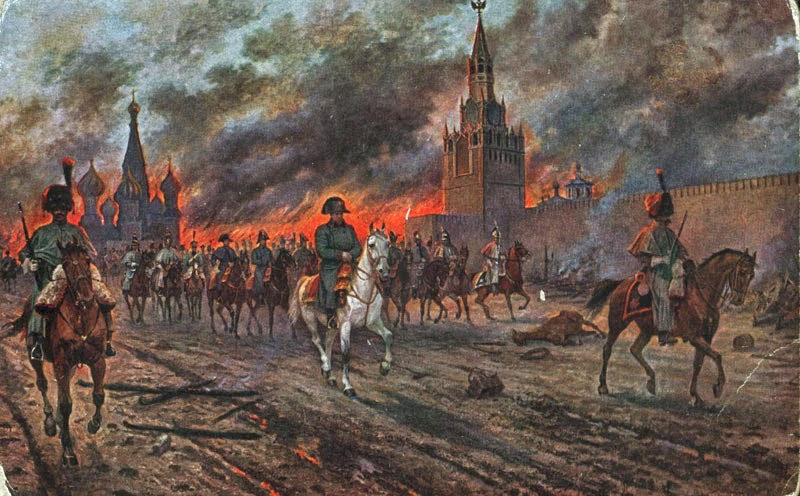
Clausewitz traccia una marcata distinzione tra tattica e strategia. Per tattica è da intendersi la dottrina dell’impiego delle forze armate nel combattimento, laddove la strategia indica invece la dottrina dell’uso dei combattimenti per lo scopo della guerra. Per illustrare meglio questa diversificazione possiamo prendere come esempio la campagna napoleonica di Russia: la battaglia di Borodino rappresentava la tattica, l’invasione dell’Impero russo la strategia. Invero, la campagna di Russia del 1812, fino all’arrivo a Mosca, è una vittoria francese nel breve periodo ma una sconfitta nel lungo. Bonaparte avrebbe dovuto costringere lo zar Alessandro I alla pace, ossia costringerlo a patteggiare, e solo così vi sarebbe stata una vera vittoria strategica. Invece, una volta conquistata Mosca, Napoleone non seppe come procedere: si era prossimi all’inverno, gli uomini mancavano di vettovagliamento e lo zar era scappato nell’interno del paese, verso la Siberia. Di conseguenza, l’invasione francese della Russia rappresenta un esempio di storia militare di invasione priva di effetti politici, caratterizzata da episodi squisitamente militari e, perciò, priva di effetti e fine a se stessa. Utilizzando una simpatica metafora, Clausewitz asserisce che senza alcun trattato di pace e nessuna conquista, Bonaparte era come un ladro che entra in casa e non trova i padroni, rompe per sfregio ma non può chiedere i soldi perché non li trova, e dunque è presto costretto ad andarsene via. Tanto più presto, possiamo aggiungere, in quanto i padroni di casa abitavano in terre notevolmente inospitali, da un punto di vista climatico, durante l’inverno. Volendone tracciare un bilancio, la campagna napoleonica di Russia ha dimostrato a) che non si può conquistare un esercito di grandi dimensioni con mezzi ottocenteschi, b) che la vittoria in battaglia e la conquista di città-chiave non comporta necessariamente la pace con il popolo aggredito e c) che temporeggiare può essere benefico in quanto permette ai difensori di trasformarsi, successivamente, in aggressori.
Incendio di Mosca, settembre 1812
La tattica rappresenta dunque la dottrina del movimento delle truppe: in quest’ambito, pertanto, la geometria riveste un ruolo fondamentale. La tattica principale, d’altronde, consiste nell’aggirare il nemico per colpirlo ai fianchi o da tergo. La strategia, invece, determina tre elementi principali: a) dove combattere, b) quando combattere, c) contro chi combattere e utilizzando cosa. 
Che cosa rappresenta, però, la guerra? Essa si può considerare un’arte o piuttosto una scienza? Da dove sorge? E’ un fenomeno partorito dal rigore o dall’impulso? Di certo è che il grembo da cui sortisce il conflitto armato è sempre quello della politica. Tutti conoscono bene, d’altronde, che per Clausewitz la guerra non è altro che la prosecuzione della politica con altri mezzi.
Tra gli elementi che consentono di conseguire una vittoria in guerra non è sempre decisivo quello che assicura la superiorità numerica di uno dei contendenti. E’ vero anzi che concorrono per la vittoria fattori diversi tra i quali il rifornimento ed il vettovagliamento dell’esercito, il rimpiazzo di uomini ed armi, la certezza dei collegamenti e la sicurezza del ripiegamento tattico in caso di necessità. Per quanto attiene le potenze morali di un esercito, esse includono a) il talento del capo, b) la virtù guerriera dell’esercito, c) lo spirito del popolo (quindi la sua motivazione e il suo morale). Un popolo guerresco dovrebbe possedere diverse qualità fra cui il valore, l’adattabilità, la resistenza e l’entusiasmo. Dovrebbe inoltre essere pronto a intraprendere una guerra in diversi ambienti e condizioni naturali: se combatte nelle montagne o nelle fitte foreste, terreni ideali per la guerriglia, si richiedono soldati con alto spirito di fede, convincimento, zelo, agilità, adattabilità, ecc.; la guerra sul terreno aperto, invece, privilegia la professionalità, il coraggio temprato, la rigida disciplina e l’obbedienza assoluta ai propri superiori al fine di eseguire le manovre tattiche con massima precisione e sincronizzazione.
Volendo confrontare due eserciti dell’antichità per comprendere gli elementi costitutivi della vittoria in guerra possiamo ricordare le guerre persiane (490 e 480-479 a.C.) combattute tra greci e persiani. Le motivazioni per cui i greci hanno sconfitto i persiani in queste campagne sono varie. Prima di tutto i persiani rappresentavano un esercito eterogeneo di schiavi dalle origini ed etnie diverse e ciò chiaramente andava a scapito della motivazione e del morale. L’esercito persiano fondava la sua forza non sulla qualità ma sulla quantità, e inoltre gli attacchi che portava avanti erano per lo più privi di fantasia tattica, reggendosi meramente sul principio di superiorità numerica. Mancava poi qualunque tipo di ideale da difendere, i quanto non esisteva presso questi schiavi né il senso patrio né il senso della famiglia. Infine, le truppe persiane, eccezion fatta per gli Immortali, erano scarsamente addestrate e la policroma origine impediva perfino la comunicazione tra esse. Al contrario, i greci possedevano tutto ciò che ai persiani mancava: senso della patria, organizzazione e disciplina, motivazione procurata dal desiderio di difesa del territorio e delle famiglie, addestramento minuzioso e assenza di coercizione a combattere (era un esercito che combatteva per libera scelta, non per comando superiore).
Battaglia di Platea, 479 a.C.
In strategia, non importa la superiorità numerica avversaria, o almeno sicuramente non è decisiva: ciò che importa davvero, invece, è convergere al momento opportuno il maggior numero di soldati al combattimento nel punto decisivo o focale. Se poi consideriamo le operazioni di guerriglia montane o boschive allora la superiorità numerica davvero non conta nulla. Nelle battaglie campali, invece, essa può contribuire alla vittoria, ma non è sempre così e spesso addirittura è un intralcio alla vittoria stessa. Lo spazio-tempo è l’elemento centrale della strategia; in esso rientrano:

- La corretta valutazione degli eserciti avversari.
- Il ruolo delle truppe di avanguardie in esplorazione e pattugliamento per individuare l’avversario.
- Le marce forzate.
- La temerarietà di attacchi fulminei.
- Le manovre di accerchiamento e di aggiramento dei fianchi nemici in modo che il numero dei soldati avversari assuma un significato relativo per l’esito dello scontro.    

L’effetto sorpresa è fondamentale in guerra. Senza sorpresa non vi può essere superiorità nel punto decisivo; inoltre, è la sorpresa a portare allo scompiglio dei ranghi avversari dovuto a confusione, panico e timore. La sorpresa necessita di direttive precise, di segretezza, di rapidità, di coordinamento, di mimesi.
Ai tempi di Clausewitz le caratteristiche di una battaglia tra contendenti di forza simile erano molto comuni fra loro. Esse prevedevano delle tappe quasi fisse, che si succedevano a ritmo cadenzato:

- Sistemazione delle truppe in grandi masse ai lati e dietro il campo di battaglia.
- Dispiegamento di una parte delle truppe in una formazione che sia scelta in funzione della formazione adottata dall’avversario (ad esempio in colonna, in linea o in quadrato a seconda di come il nemico ha schierato le truppe e quali tipologie di truppe ha deciso di impiegare).
- Scontro in combattimento a fuoco, dapprima tra batterie d’artiglieria e poi tra fucilerie, che poteva durare diverse ore (soprattutto il fuoco di batteria e controbatteria).
- Eventuali e mutevoli assalti alla baionetta o incursioni di cavalleria durante lo scontro a fuoco.
- Ricambio delle vecchie truppe con truppe più fresche in ogni reggimento esposto direttamente al combattimento.
- Cessazione momentanea delle ostilità dopo avere concordato un termine (una tregua).
- Bilancio approssimativo delle perdite proprie ed avversarie e valutazione del guadagno o meno di spazio e di quanta sicurezza si conserva alle proprie spalle rispetto alle linee di comunicazione.
- Ipotetico mutamento del piano di guerra dovuto alle incombenze.
- Decisione se abbandonare il campo di battaglia ripiegando in ordine, se rinnovare il combattimento, o se proclamarsi vincitori (quest’ultimo evento concepibile solo se il nemico accetta di dichiararsi ufficialmente sconfitto).   

Per decidere se un combattimento è decisivo gioca un ruolo fondamentale il fatto se il nemico è in grado di disperdersi, (dunque di ripiegare) e di unirsi ad altre truppe collocate in altri territori. L’esercito che, sebbene dimezzato, riesce a congiungersi ad un altro esercito non rappresenta un esercito sconfitto, ma solo un esercito indebolito. Inoltre, la vittoria si ottiene sempre se un esercito non è più in grado di imbracciare le armi o perché annientato materialmente con la violenza o perché i soldati che lo compongono sono divenuti prigionieri dei vincitori. Gli attacchi sui fianchi o da tergo influiscono più favorevolmente sul risultato successivo alla decisione di sferrarli che non sulla decisione stessa: ad esempio, un contingente di rinforzo che viene inviato alle spalle dell’avversario risulterà in condizione di relativa debolezza in quanto lontano dal resto del suo esercito, isolato e a sua volta a rischio di aggiramento.
Un bravo comandante dovrebbe capire quando far proseguire o cessare uno scontro tenendo in considerazione i cosiddetti indici di andamento della battaglia, tra i quali:

- Numero di batterie operative rimaste rispetto al nemico.
- Situazione dei soldati e coesione del reggimento dopo le cariche di cavalleria nemica.
- Penetrabilità o compattezza dei battaglioni di fanteria propri e nemici.
- Arretramento o avanzamento tattico della linea di fuoco.
- Perdita o conquista di posizioni chiave nel campo di battaglia (case, villaggi, fiumi, ponti, ecc.).
- Assottigliamento eccessivo dei battaglioni in prima linea (feriti, fuggiaschi, disertori, perdite).
- Quantità di reparti tagliati fuori o fatti prigionieri.  
- Valutazione della pericolosità che un ripiegamento ordinato si trasformi in rotta caotica soggetta ad inseguimento da parte del nemico.
- Salvaguardia delle vie di fuga dalle manovre a tenaglia o dalle sopraggiunte riserve del nemico.

Nel caso in cui il comandante percepisca che la sconfitta del suo esercito è prossima il suo principale obbligo sarebbe quello di evitare a tutti i costi la disfatta. In questo caso, infatti, occorre che l’esercito ripieghi ordinatamente, lasciando dietro di sé le truppe in prima linea e sfruttando i reparti di cavalleria leggera per coprire la ritirata e per rispondere alle cariche nemiche con contro-cariche. Quando un generale non vuole una scaramuccia o un combattimento minore, ma una battaglia decisiva lo si potrà comprendere dal numero di truppe impiegate: la concentrazione di tutte le forze di cui dispone per un’unica battaglia è indice della ricerca di una battaglia risolutiva del conflitto. Per quanto riguarda poi il vincitore, il suo compito principale è quello di inseguire il nemico battuto, quindi marciare sulle sue capitali o città-chiave, ovvero conquistare subito il territorio conteso. La cosa più importante, comunque, è che il vincitore scenda a patti con lo sconfitto per dettare le condizioni di armistizio e quindi di pace.
Formazioni di fanteria
Per quanto riguarda alcune definizioni strategiche, un teatro di guerra è un settore territoriale in cui ha luogo un conflitto e può essere circoscritto da vari tipi di confini: confini naturali, come fiumi, montagne o foreste; confini umani come fortificazioni, cittadelle, avamposti; confini spaziali convenzionali dati dall’estensione delle operazioni belliche. Per armata, invece, si intende una massa combattente che si trova in un determinato teatro di guerra (pensiamo alle napoleoniche Armata d’Italia, Armata del Reno, ecc.). Più masse di una stessa armata nel medesimo teatro di guerra sono detti corpi, o, per essere più precisi, corpi d’armata. Inoltre, una campagna include una sequenza di eventi strategici in un periodo di tempo, in un preciso teatro di guerra (pensiamo alla campagna d’Egitto). Anticamente le campagne militari erano annuali, nel senso che ogni primavera ricominciava una campagna militare per poi interrompersi al sopraggiungere dell’inverno, con il ritiro dei soldati negli acquartieramenti invernali. Per quanto riguarda le diverse armi, la cavalleria agisce tramite la mischia individuale (ossia urto, corpo a corpo, inseguimento), l’artiglieria agisce tramite l’annientamento da fuoco (ossia bombardamento, indebolimento ed assottigliamento dei ranghi nemici, riduzione della velocità d’avanzata avversaria, conversione coercitiva per cannoneggiamento dei reparti avversari, fuoco di controbatteria), la fanteria agisce secondo entrambi (fuoco iniziale, assalto alla baionetta, corpo a corpo, inseguimento/ripiegamento). Il corpo a corpo, o combattimento individuale diretto, prevede che l’attaccante si muova e he il difensore mantenga la posizione stando fermo sul terreno. A differenza della fanteria, la cavalleria non può essere impiegata per mantenere una posizione difensiva ma soltanto per attaccare. Mentre infatti la fanteria, che è la più completa delle armi, può essere impiegata per il fuoco, per la difesa nel corpo a corpo e per l’attacco nel corpo a corpo, la cavalleria, da un lato, può essere utilizzata solo per l’attacco nel corpo a corpo, e l’artiglieria, dall’altro, solo per il fuoco, ossia per l’annientamento da fuoco. Tutte le tre armi svolgono un ruolo fondamentale in battaglia, ed è dalla loro interazione che emerge un esercito completo e potenzialmente irresistibile. Tuttavia, se un esercito facesse a meno della cavalleria (che ne incarna il movimento) perderebbe di meno che facendo a meno dell’artiglieria (che rappresenta l’annientamento, l’attacco a distanza e la potenza distruttrice). D’altro canto, un esercito di sola fanteria ed artiglieria sarebbe penalizzato nel ripiegamento, inseguimento, esplorazioni, incursioni ed accerchiamento. Un massiccio esercito di soli fantaccini potrebbe avere un valore significativo nel caso di scontro con un altro esercito di fanti, ma sarebbe profondamente vulnerabile ai bombardamenti d’artiglieria (e ciò è vero quanto più l’esercito di fanti è compatto e fitto) e molto più lento dei reparti di cavalleria nemica.                        


Riferimenti bibliografici:


C. von Clausewitz, Della Guerra.
Related Posts Plugin for WordPress, Blogger...